Welcome

This blog started out as an exploration of field trips by grade level which a family can take to enrich their child's school curriculum. I originally started this for Charter School families, or any family, wanting to supplement with fun family field trips. Since then we have decided to home school, so the bent and flavor has changed. I will still post field trips, but also home school related posts. We have four kids who span 8 years. Two high school and two elementary. Our elementary kids are home schooled.

Saturday, March 26, 2016

Ancient Africa Unit

Ancient Africa Unit 
This unit is designed for independent readers and workers grades 3-6.  It can be altered for any child's interest or level. See post on why I made this.
See my Africa in the Middle Ages unit.

Spines:
Only one of these are needed and they are equal. 
Usborne Encyclopedia of World History
OR
The Complete Book of World History (grades 4-8)
OR
Kingfisher Encyclopedia of World History
OR
*DK Eyewitness Africa (most comprehensive)

Atlas:
Kingfisher Atlas of the Ancient World is nice because it has maps of the Ancient World, but you can look them up on line too. Good for History.
*Kingfisher Young People's Atlas of the World (modern view of Africa and the regions) good for Geography

General:
*A True Book, Africa
*Africa is not a country by Knight and Melnicove

Ancient:
Story of the World book 1
*A Glorious Age In Africa by Chu and Skinner
*Africa for Kids
*African Beginnings by Haskins and Benson
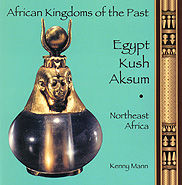
*African Kingdoms of the Past Egypt, Kush, Aksum by Kenny Mann
 *Life in Ancient Africa by Hazel Richardson

Other complimentary books we used: 
Archeology for Kids
Great African Kingdoms by Sean Sheehan
National Geographic Ancient Africa by Victoria Sherrow
*The Ancient Kushites by Liz Sonnenborn
Daily Life in Ancient and Modern Timbuktu by Larry Brook

Web sites:
http://autocww.colorado.edu/~blackmon/E64ContentFiles/AfricanHistory/SlaveryInAfrica.html
http://exploringafrica.matrix.msu.edu/students/curriculum/activities.php
http://wysinger.homestead.com/ancientafrica.html
http://africankingdoms.com/
http://africa.mrdonn.org/index.html
http://www.historyforkids.org/learn/africa/

Work books and activity books we used: 
Primary Africa (teacher created sources)
Hands on Heritage (Africa)
(Thematic Unit from Teacher Created Materials) Multicultural Folk Tales
Africa For Kids
Step Back in Time to Ancient Kush activity book (this book is printed and sold only in the UK and could be pricy here in the US).

Literature:
Anansi the Spider books
Rabbit tales (like Anansi but a rabbit)
At your library web site type in every name of every African country you can think of one at a time and select children's book. You will find a plethora of titles of folk talkes, fables and fun stories, and fictional stories taking place in Africa. I did this and have about 50 books for the kids to read from picture books all the way up to upper elementary level chapter books. 
African Reading Comprehension Cards

Ethiopia Specific Unit:
If you are not doing a specific unit include these in the above sections
*The Ethiopians by Richard Pankhurst (not for kids but for adult resource)
*Explore Ethiopia a coloring book
E is for Ethiopia
Ethiopia in Pictures by Jeffrey Zuehlke
Enchantment of the World, Ethiopia by Dennis Fradin
*You need at least one comprehensive kids book on Ethiopia, the library has many.

*Literature:
Fire on the Mountain by Courlander and Leslau
The Lion's Whiskers by Ashabranner and Davis
Tsion's Life by Stacy Bellward
King Solomon and The Queen of Sheba by Greenberg and Tarry
Journey to Ethiopia by Selamawit Gizaw
CooCooLoo stories for children by Writers for Ethiopian Children
The Perfect Orange by Frank P Araujo
Trouble by Jane Kurtz and other books by her (there are many)
The Best Beekeepers of Lalibela by Christina Kessler

Web sites:
Time Lines of History in Ethiopia
http://www.timeforkids.com/destination/ethiopia/history-timeline
http://www.bbc.com/news/world-africa-13351397
http://wn.com/timeline_of_ethiopian_history
http://africanhistory.about.com/od/ethiopia/
Videos about Ethiopia
https://video.search.yahoo.com/yhs/search;_ylt=A0LEVrdzZcFU4C4AvAQnnIlQ;_ylu=X3oDMTB0dmRibmhwBHNlYwNzYwRjb2xvA2JmMQR2dGlkA1lIUzAwMV8x?p=ethiopia+for+kids&hspart=mozilla&hsimp=yhs-001
A Day in the Life of:
http://www.timeforkids.com/destination/ethiopia/day-in-life
Facts about Ethiopia
http://travel.nationalgeographic.com/travel/countries/ethiopia-facts/
http://www.factmonster.com/country/ethiopia.html
History and Geography
http://www.ducksters.com/geography/country.php?country=Ethiopia

Amharic:
http://www.ethiotube.net/video/15912/Amharic-for-Kids

* notes a highly recommended book (or section of books) in the above lists.

Basic Curriculum Lay out:
You will need a binder with tabs for History, Science, Geography, Literature, Writing, (Ethiopia) 
We followed the pattern of these two books. African Beginnings for Ancient History and Africa For Kids for Geography and Science as well as Modern Africa.  The other books play into the line up.

Week 1- Basic Africa Introduction

  • Africa is Not a Country
  • Reading cards: Facts, clothing, sculpture, masks
     Use Facts card for writing practice. Copy or IEW method. 
     answer questions on cards in Geography Tab, use complete sentences. 
  • Africa For Kids Intro and part 1 p 2-4 a
  • Language: experiment with Swahili, Click, Bantu (included in activity books mentioned) Add  Amharic if desired. https://www.dropbox.com/s/teikenebrlhvq6o/african%20languages.pdf?dl=0
  • map of how big Africa is in relation to other countries fitting inside it. Africa Primary teacher created materials. Or you can find one on line. 
  • African Music
                To Be a Drum
                The First Music 
                listen to African music on Pandora or Spotify 
  • Africa DK eyewitness, read each section and reflect or just read it. 
  • Take a general look at Africa today. Note how some groups of people live the same way they have lived for thousands of years. Example the Bushmen. You can find clips and videos on You Tube that show modern day Bushmen, etc. 
  • Talk about the continent and how the land forms break apart the people and separate them from the world. Note ancient trade routs and items. Observe that it was common for the tribes to trade and steal people for slaves, so selling their enemies to foreigners was not an unusual idea to them. This was the same all over the world at that time.
  • Talk about how the continent in general did not advance as quickly into the modern era as other nations and parts of the world and this discrepancy and desire for the goods traded caused them to be vulnerable and to be taken advantage of in the area of the slave trade.
  • Because of the geographical isolation of the majority of Africa the Western/Northern world did not understand the ways of the African nations nor did they acknowledge the amazing culture. Because of this lack of understanding and knowledge they did not consider them to be equal trading partners, therefore they took advantage of them. We are fortunate to have this knowledge today, but it will take years for the awesomeness of Ancient Africa to come to equal play in the history of the world so dominated by European history. And hence the treatment and respect of the peoples and nations of the African Continent. 
  • We can do our part by respectfully and humbly teaching our children about Africa, then and now. 
Literature: start with myth, story, folktale. Read African Mythology by Jim Ollhoff. If you can get it at a library, this is a great overview of myth and stories. But, does not contain actual stories. 
Use this book for vocabulary and understanding of the four types of stories. The kids can identify the type of story that they are reading and reflect on it as they read books during this unit. Folk Tale Reflection Sheet. Practice with a few stories. Sundiata, Why Mosquitoes buzz in people's ears, The Monster Who Grew Small, etc. Read one story each day and identify. Do this for the entire unit. Some kids may want to read more than one each day. Use your library as noted above in the book selections.
Another option is to use a book of multiple African myths or folk tales such as African Mythology by Linda Jacobs Altman, this is a wonderful book of stories with questions to ask for each one.

Week 2- Geography of the African Continent
  • Use maps in the resources given
                Rivers, regions and features, countries. Label the maps after reading about these.
  • Reading Cards: Camel Caravan, Kalahari Desert, Nile River, Drought, Hoba Meteorite. Answer questions in Geography tab. Use complete sentences.
    Choose one card to use for writing. Copy or IEW style. In writing tab.
  • Africa (True Book) p 7-13
  • Kingfisher Atlas: Africa, write one sentence on why each geographical area of Africa is unique. 
  • Africa for Kids. Do each section separately.  Rock and Dirt, climate, wind, East African Rift, rivers and lakes, volcanoes and mountains and minerals. Do soil investigation on page 5 & 6. 
Literature: Anansi Stories and the silly rabbit stories such as Silly Rabbits Big Mistake, Who's in Rabbit's House and Zomo the Rabbit.
Another option is to use a book of multiple African myths or folk tales such as African Mythology by Linda Jacobs Altman, this is a wonderful book of stories with questions to ask for each one. 
Folk Tale reflection Sheet 

Week 3- Ancient Africa (Nubia, Kush, Meroe {this combines with the Middle Kingdom of Egypt and into the New Kingdom of Egypt as well})
  •  Story of the World book 1,  Chapters 12 & 13 Egypt, Kush, Nubia
  • African Beginings Egypt and Kush/Nubia and Meroe. 
  • Ancient Egypt and Their Neighbors, read the chapter on Nubia. There are great activites here as well if you want to incorporate them instead of doing an Africa Day. 
  • African Kingdoms of the Past,( Egypt, Kush, Nubia)
  • For Ancient History of Africa general overview use *your choice of Encyclopedia. Kingfisher or Usborne Encyclopedia of World History or The Complete Book of World History or Kingfisher Atlas of the Ancient World.  
  • Life in Ancient Africa
  • Step Back in Time to Ancient Kush activity book
  • Locate on the Map of Kingdoms of Ancient Africa
 Literature: Use page 129 in Ancient Egypt and their Neighbors to write your own African myth. His Majesty Queen Hatshepsut, Tales of Ancient Egypt, Use the African myths in the teacher created material Africa Primary. Mufaro's Beautiful Daughters and use the pages related to this in teacher created materials, unit studies, Multicultural Folk Tales.
Another option is to use a book of multiple African myths or folk tales such as African Mythology by Linda Jacobs Altman, this is a wonderful book of stories with questions to ask for each one.There is also one on Egyptian Mythology by the same publisher Enslow Publishers, that is also quite good.

Week 4 and 5- Kingdoms of Ancient Africa
  • Story of the World book 1, chapter 11 do writing and map activites. 
For the following books. Read the selections pertaining to the people group. Choose a reflection question or copy book writing and picture that represents the uniqueness of this African Kingdom and culture. Be sure to highlight the achievements and wonder of the era and people represented. Find each on the map of the Kingdoms of Ancient Africa.
  • Nok people- read in Usborne Encyclopedia of World History, Complete book of World History. 
  • Jenne-Jeno - African Beginnings, Life in Ancient Africa
  • Ghana- African Beginnings, A Glorious Age in Africa, Great African Kingdoms, Kids Discover
  • Mali- African Beginnings, Great African Kingdoms, Kids Discover, A Glorious age in Africa, Life in Ancient Africa, 
  • Songhay- Kids Discover, African Beginnings, A Glorious Age in Africa. 
  • Timbuktu and Ife- African Beginnings, Great African Kingdoms
  • Benin- African Beginnings, Great African Kingdoms, Kids Discover, Life in Ancient Africa.
  • Zimbabwe- African Beginnings, Great African Kingdoms, Life in Ancient Africa, Ancient Africa, Usborn, Book on South Africa (if you can find one). 
  • Kongo- African Beginnings  
  • Select one Ancient African Kingdom to do a Kingdom Report on.
 Literature: Use books for Maasai, Bantu, Mali, Malawi, Zimbabwe, Ghana folk tales and myths from your library and other African Folk Tales (as noted in the book selections above). Monkey Business by Shirley Climo. Use the folk tale reflection page.
Another option is to use a book of multiple African myths or folk tales such as African Mythology by Linda Jacobs Altman, this is a wonderful book of stories with questions to ask for each one.

Week 6- Aksum/Ethiopia
  • Read applicable sections in books: African Beginnings, Usborne, African Kingdoms of the Past, Life in Ancient Africa, Ethiopia, Ethiopia in Pictures, E is for Ethiopia, King Solomon and The Queen of Sheba, On Safari in East Africa, use The Ethiopians or another adult history book to direct your history lessons. 
  • Locate on the map of Ancient African Kingdom
  • Choose a reflection question or copy book writing and picture that represents the uniqueness of this African Kingdom and culture. Be sure to highlight the achievements and wonder of the era and people represented.
  • use the activity book, Explore Ethiopia a coloring book.
 Literature
  • Fire on the Mountain by Courlander and Leslau (collection of stories)
  • The Lion's Whiskers by Ashabranner and Davis (collection of stories)
  • CooCooLoo stories for children by Writers for Ethiopian Children (collection of stories)
  • The Perfect Orange by Frank P Araujo
  • Trouble by Jane Kurtz and other books by her (there are many)
  • The Best Beekeepers of Lalibela by Christina Kessler 
  • folk tale reflection sheet
Ancient Africa Day:
End your unit with a fun day of activites to solidify your unit. This is fun to do with other families who have chosen to do a specific Ancient Africa unit also.
Use ideas in the activity books above and Africa for Kids.
  • Make an African house
  • Make an African Mask
  • Listen to African music, make a drum and shakers
  • Make and eat African food or go to an African restaurant
  • Make a spear, shield, mask, head dress and robe
  • Re-tell folk tales or read the one your wrote. 
  • Share your Kingdom Report

Side note on Egypt:
Egypt is in general very well covered by ordinary history books while the rest of Africa is glossed over and the greatness of it missed.  However, I want to note that we found a two great series of fiction that really enhanced our unit.
Theodosia series by Yoko Tanka
Kane Chronicles by Rick Riordan
and 
The Golden Goblet by Eloise Jarvis McGraw

Science Component: 
We did African Geography for one week. There are great workbooks and maps out there.
http://education.nationalgeographic.com/education/encyclopedia/africa-physical-geography/?ar_a=4
http://www.pbs.org/wnet/africa/explore/index_flash.html
http://africa.mrdonn.org/saharadesert.html
http://www.historyforkids.org/learn/africa/environment/
http://www.sciencekids.co.nz/sciencefacts/earth/desert.html
http://www.ducksters.com/geography/africa.php
http://atozkidsstuff.com/africa.html
http://kids.britannica.com/search?query=Africa&ct=ebi&searchSubmit.x=10&searchSubmit.y=12

We learned about and wrote a page on African animals and plants. One each per week.
http://kids.nationalgeographic.com/kids/games/geographygames/crittercamafrica/
http://kids.nationalgeographic.com/search-results/?q=african%2520animals
http://www.kidsplanet.org/factsheets/map.html
http://www.gardenguides.com/93817-native-plants-africa.html
http://www.blueplanetbiomes.org/african_savanna.htm
http://www.edenproject.com/visit-us/whats-here/plant-a-z/continent/africa
http://www.mbendi.com/indy/agff/coco/af/p0005.htm

Look up how bananas grow and are harvested on You Tube, etc.
You can do the same for Cacao, Coffee, Mango, Papaya, Pineapple, Sugar Cane and Cotton. All are grown in Africa.

Coffee originated in Africa:
 http://www.ncausa.org/i4a/pages/index.cfm?pageid=68
http://www.africa-ata.org/coffee.htm


Bananas in Archeology:
http://archive.archaeology.org/0609/abstracts/bananas.html
 

Biographies to look for on Scientists and Explorers of the African continent:
Mary Kingsley (1862-1900) The greatest of all women explorers.
Sir Richard Francis Burton (1821-1890)
Dr. David Livingstone
(1813-1873) Explored the interior of Africa.

John Speke (1827 - 1864)
Discovered Lake Victoria the largest source of the Nile River.

Isabelle Eberhardt
(1877-1904) was an explorer who lived and traveled extensively in North Africa.

Field Trips: 
  1. http://cuartmuseum.colorado.edu/collection/african-art/
  2. http://www.denverartmuseum.org/collections/african-art
  3. There is a 3D Imax show called Kenya that is great to see on African Animals. 
  4. Your local museum may have African history exhibits or animal exhibits. 
  5. A zoo is a good place to see African Animals and identify what geographical area they would naturally live in.

Africa In the Middle Ages

Africa in the Middle Ages is something that most curriculum either skip or gloss over. There are some reasons for that, none of which I find convincing or acceptable.
Since I was not able to find a previously written curriculum that adequately covered Africa in the Middle Ages, I put one together on my own.

Some resources I used:
African Studies at Boston University
Africa Success (reading and teaching resources)
Book list 1
Book list 2
Book list 3
PBS Africa- first people
History Chanel- Mankind the Story of All of us

Here I am outlining my unit only on Middle Ages in Africa. I did a previous unit on Ancient Africa not using these books, however if these books have sections pertaining to Ancient or Early Modern/Modern I have noted it in parentheses. The previous Ancient Africa unit does go some into the Middle Ages, but it is an overview, so this is more in depth. You can find the Ancient Africa unit  here.


Books:
African Kingdoms of the Past. This book series is my spine. The historical accuracy and scope is fantastic and on the level of a kid in grades 4-8 (and even older kids can use this).
I bought them all used on Amazon. You can buy them new as well. You might consider library or hard back bindings. My soft cover ones have the pages falling out after one read here, though they were used and in fine shape when received.
This series will cover Africa in the Middle Ages well. You will need more to cover Ancients or Early Modern/ Modern.

Egypt, Kush, Axum/ Northeast: pp 77-95 Middle Ages -Ethiopia- (pp 1-76 Ancient Egypt, Kush and Axum); (Modern day Ethiopia is begun in the Epilogue section p 96).


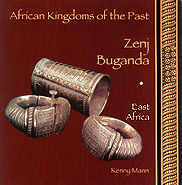
Zenj, Buganda/ East: pp 1-58 Middle Ages -Zenj, Suaheli states. pp 69-81 Middle Ages- Buganda (Ancient: not in this book); (Early Modern and Modern: pp 58-68 and pp 81-97).

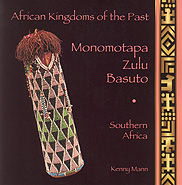
Monomotapa, Zulu, Basuto/ Southern: pp 1-23 Middle Ages- Monomotapa; pp 24-34 Middle Ages- Great Zimbabwe; pp 35-40 Middle Ages- Bantu; pp 50-56 Middle Ages- Zulu. ( Early Modern and Modern pp 40-49, 56-99); (Ancient: not in this book).

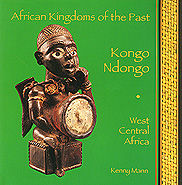
Kongo, Ndongo/ West Central: pp 1-64 Ndongo and Kongo Middle Ages; (Early Modern and Modern pp 65-97); (Ancient: not in this book).

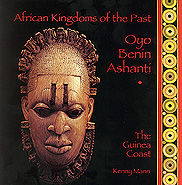
Oyo, Benin, Ashanti/ Guinea Coast: pp 1-33 - Oyo Middle Ages (Early Modern, Modern pp 33-36);  pp 36-48 -Guinea Middle Ages ( Early Modern, Modern pp 49-59); pp 60-69 - Benin Middle Ages (Early Modern, Modern pp 69-92); (Ancient: not in this book).

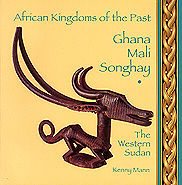
Ghana, Mali, Songhay/The Western Sudan: pp 1-57 -Ghana Middle Ages; pp 58-79 - Mali Middle Ages; pp 80-89 Songhay Middle Ages. (early Modern, Modern pp 90-96 Epilogue); (Ancient: not in this book).

The notebook pages I created to use with this specific book series can be found here. 

This is also a good book for younger kids or a shorter unit: 
African Beginnings by James Haskins


Just for Fun:
Folk Tales:
  • Mufaro's Beautiful Daughters (several versions available)
  • Aesop's Fables by Beverley Naidoo and Piet Grobler (African Version)
  • The Rat-Catcher's Son, and other stories by Carolyn London
  • The Lion's Whiskers and other Ethiopian Tales by Brent Ashabranner and Russell Davis
  • The Girl Who Spun Gold by Virginia Hamilton
  • The Twelve Dancing Princesses by Rachel Isadora
  •  The Princess and the Pea by Rachel Isadora 
  • Why Mosquitoes Buzz in People's Ears: A West African Tale by Verna Aardema
  • There are SO many great folk tales. Check out Amazon and your local library and don't forget the funny Anansi the spider stories which are sure to entertain. 

Biographies:
  • Sundiata by DT Niane  (several versions available)
  • Nzinga by Patricia McKissak (The Royal Diaries series)
  • Mansa Musa: the Lion of Mali by Khephra Burns and Leo & Diane Dillon  (several versions available)
  • Traveling Man; The Journey of Ibn Battuta by James Rumford  (several versions available)
I would suggest one of these books with biographical sketches in it:
  • Africa's Great Kings & Queens (Just for You Productions)
  • Great Queens and Kings of Africa (real African Writers series, vol 1,2) by Pusch Commey
  • 100 Great African Kings and Queens by Pusch Commey
  • The Glory of African Kings and  Queens by Pusch Commey
  • Biographies of the Great Kings and Queens of Africa and Notable Black Men and Women by Lee John Smith O. and DeAnna Williams
  • African Princess: The Amazing Lives of Africa's Royal Women by Joyce Hansen 
OR this entire series:


Thursday, March 24, 2016

Protestant Reformation Study unit

The Protestant Reformation Study Unit:

Religion component studies:

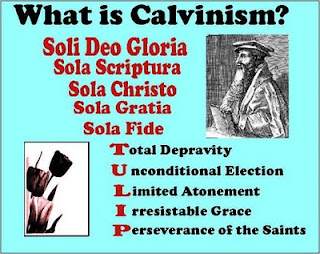
I used this study for kids on the 5 Solas of the Reformation.
http://catechismforkids.com/faith_first.html
(But this one is free and is also a very good option.  http://transformingkidsministry.com/2012/07/26/big-group-lesson-plans-on-the-five-solas-bible-faith-grace-jesus-god/   ).
Sola Scriptura
Sola Christus
Sola Fide
Sola Gratia
Soli Deo Gloria
I used this study for a study on the five points of Calvinism.
http://www.northsidepcaonline.com/tulip.pdf
T- total depravity
U- unconditional election
L- limited atonement
I- irresistible grace
P- perseverance of the saints

Historical and literature based component of the study:

I used parts of this notebooking page set.
http://notebookingfairy.com/2012/10/protestant-reformers-notebooking-pages/

You could also use these:
NotebookingPages.com You will have to sort out which ones you want.  http://notebookingpages.com/search-results?wpfb_s=Reformation
http://homeschoolnotebooking.com/membership/join/
This one is a lap book  http://www.homeschoolshare.com/reformation.php

I added these pages of my own.
set one. 
set two.

Main history books used:
Famous Men of the Rennaisance and Reformation (Greenleaf Press)
Story of the World book 2 with activity pages, maps and tests.

Literature books we read:
Morning Star of the Reformation (Wycliff)
The Man Who Laid the Egg (Erasmus)
Thunderstorm in Church (Luther)
Fine Print (Gutenberg) OR Ink on His Fingers
The Queen's Smuggler (Tyndale)
After Darkness, Light (Calvin)
The Sharpened Sword (John Walch)

Heroes of the Faith is a good series that has several books on reformers, though not as interesting as the above books, which may fall into the category of historical fiction, they add fictionalized scenarios along with the known information. 

For older readers I would suggest (Calvin) The Betrayal by Douglas Bond, it was an excellent read and gave a great picture of the times, though it is Historical FICTION. He also has one on Luther, though I have not read it. The Hawk That Dare Not Hunt by Day (Tyndale) by Scott O'Dell is good for older readers also.

For younger kids I would suggest the following books, (that we have read in earlier years):
Gutenberg's Gift (pop up book)
Martin Luther, A man who changed the world by Paul L. Maier
The Adventures of Martin Luther by Carolyn Bergt
John Calvin by Simonetta Carr

Torchlighters has a series of cartoon videos for kids on various reformers as well.

This page had some fun activities. I adapted some for older kids.


Thursday, February 18, 2016

World focused history and literature

When we study history and literature (including scientific discovery) we give attention to every people group and continent. I try hard to find materials that are NOT from a Western perspective. This is hard. It is the hardest when it comes to Africa. We study Africa every year.
This page on Ancient Africa Unit Study is our first Africa unit. It was a flyover which we will go back to in depth for each era. It was great for Ancients in the four year history cycle.
I am currently working on Africa in the Middle Ages. I am currently very frustrated in that there are very few historical fiction books written for kids reading chapter books in grades 4-8. There are lots of picture books and a fair number of books for the older audience. So, I have decided to make a post for each era that we study with books we found that are actually good on Africa.
See the Africa in the Middle Ages unit.


Sunday, June 14, 2015

Colorado Boy visits the 50 States

You know Flat Stanely? Well, my kids are too old for those books so we invented a new "through the mail game". Colorado Boy visits the 50 states.

We found 12 friends in different states who would be Colorado Boy's first visit. We hope he will make it to all 50 states and back to us!

Here are our directions:


Colorado Boy travels the
50 US States

Thank you for participating in our study of the 50 States! We are excited to see how many states Colorado Boy can travel through.

Please help us learn something about your state by taking a picture of Colorado Boy at a      landmark or point of interest where you live and send it to us in an email telling us a bit about the land mark and your state.
xxxxxxxxxxxxxxxxxxxxxx

— OR —

Help us learn about your state by sending us a post card from Colorado Boy telling about his visit to your state at:
(address)

Important detail:
Then send Colorado Boy on to someone you know in another state who would be likely to send us news about their state and send Colorado Boy on his way again.

If Colorado Boy reaches you on or after October 1, 2015 please return Colorado Boy to us at the above address, with a post card or note about the final state he traveled to.

Thank you so much!
The Khaliqi Family


Wednesday, May 27, 2015

50 States Geography Through Literature

I really like the idea of learning through literature. Reading is fabulous! My kids think so too. They like to read and they remember so much of what they read. We wanted to learn about the 50 States and I wanted to add in a geography unit. So combining them seemed reasonable. I looked and looked, I simply did not find what I was looking for out there. Lots of pieces of it but nothing complete. So I put it together myself. I have posted my unit with links to the parts I have created and to the wonderful pages of others. Most of this is free. Remember to check the library for books before you go buy them.
Blog page 50 States
PDF pages 50 States
Colorado Boy
I put this together because I like the idea of learning through literature but could not find a curriculum that actually covered all 50 states. This covers them in a few sections using books that "travel" or are a series that highlight a variety of areas. Please use this link to find the PDF pages for the unit


Resource and Book list for US Geography and the 50 States through Literature:

50 States:
Resources:
One set per child of 50 State note booking pages or a 50 State coloring book such as https://www.teacherspayteachers.com/Store/Miss-Martin.
It could be useful to have some notebooking pages on Explorers (http://lilliputstation.blogspot.com/2012/06/world-explorer-biography-pages-free.html).

Books:
One kids resource Atlas on all 50 states such as DK Atlas State by State or Time For Learning; States.

Geography:
Resources:
· https://www.teacherspayteachers.com/Store/Miss-Martin, pages on landforms and geography.
· This next one has a great hands on project for landforms! http://www.onlypassionatecuriosity.com/portfolio/geology-and-geography-unit-study/

Books:
You only need one and the library likely has a great selection.
· Geography from A to Z: A Picture Glossary by Jack Knowlton
· The Everything Kids' Geography Book: From the Grand Canyon to the Great Barrier Reef - explore the world! By Gardner and Mills
· Janice VanCleave's Geography for Every Kid: Easy Activities that Make Learning Geography Fun
· Geography: A Visual Encyclopedia - DK

Habitats & Biomes:
Resources:

Books:
· A True Book series by Darlene R. Stille, has several books on particular habitats and biomes.
· A walk in the _________ book series by Rebecca L. Johnson is a great series covering nearly every biome there is.
· The library is likely to have both or another great set.


Great Lakes area:
Resources:
Make sure you have a map that shows the Great Lakes along with the St. Lawrence River and the Hudson River. If you want them to memorize it have a few blank ones to practice on.

Books:
· Paddle to the Sea by Clancy Holling (primary)
· Additional topic reading could include: Geese, Beavers, Ponds and Marshes, The Great Lakes, Wetlands, Lakes, Streams.
· Explorers: LaSalle, Hudson, Cartier, Champlain.
· Ojibwe people
· Mystery on the Great Lakes by Carol Marsh
· The Erie Canal / by Martha E. Kendall.

Appalachian Trail:
Resources:
Map of the Appalachian Trail with states labeled. Blank States map to fill in and add landmarks and landforms to, and label biomes.

Books:
· Navigating Early / Clare Vanderpool. (primary choice)
· Ellie's Long Walk (primary choice)
· Grandpa and the Tortoise Shell
· A Hike on the Appalachian Trail by Carolyn Cook, Douglas Cook (primary choice)
· The Appalachian Trail reader / edited by David Emblidge. Better choice for older readers or just selections. Could be very dry.
· Other books to look for at your library: Appalachian folk tales and stories for kids, Daniel Boone, settlers, Cumberland gap, Trail of Tears, Deciduous forests, Valley, hills, streams, north and south slopes. The Jack Tales. When I was young in the mountains / by Cynthia Rylant ; The rag coat / Lauren Mills;  Appalachia : the voices of sleeping birds / by Cynthia Rylant ; Silver packages : an Appalachian Christmas story / by Cynthia Rylant ; Ashpet : an Appalachian tale / retold by Joanne Compton ; That Book Woman / Heather Henson ; The adventures of Molly Whuppie and other Appalachian folktales / Anne Shelby ;
· Native American Tribes: Abenaki, Algonquian, Cherokee, Creeks, Delaware, Lenape, Iroquoian Family, Mohawk, Oneida, Onondaga, Cayuga, Seneca, Mahican, Mohegan, Passamaquoddy, Pennacook.
· Other books from the general area: Shiloh trilogy by Phyllis Reynolds Naylor; Where the Red Fern Grows; Old Yeller; My Side of the Mountain; On the Far Side of the Mountain; Midnight in Lonesome Hollow : a Kit mystery / by Kathleen Ernst ; Down Cut Shin Creek : the pack horse librarians of Kentucky / Kathi Appelt & Jeanne Cannella Schmitzer; Meet the Drakes on the Kentucky frontier / by John J. Loeper; The journal of Jesse Smoke : a Cherokee boy / by Joseph Bruchac; Soft Rain : a story of the Cherokee Trail of Tears / Cornelia Corneissen; Only the names remain : the Cherokees and the Trail of Tears / by Alex W. Bealer


The Mississippi River route:
Resources:
Map of the Mississippi with states labeled. Blank States map to fill in and add landmarks and landforms to, and label biomes.

Books:
· Minn of the Mississippi by Clancy Holling (primary)
· Other subjects to look for at the library: paddle boats and steam boats, Mark Twain, Snapper Turtles, river, deciduous forests, gulf, tributaries, and migration.
· America’s Mark Twain
· Tom Sawyer or Huckleberry Finn or Life on the Mississippi all by Mark Twain for older kids or abridged versions for younger readers. 
· The Mystery on the Mighty Mississippi by Carole Marsh
· Mississippi America’s Mighty River by Robin Johnson

Florida:
Resources:
Basic Map of Florida, a cartoon tourist map will be fine, you can add in the main places from the books. Blank States map to fill in and add landmarks and landforms to, and label biomes.

Books:
· Voices in St. Augustine  by Jane R. Wood (primary)
· Trouble on the St. Johns River by Jane R. Wood (primary)
· Adventures on Amelia Island: A Pirate, A Princess, and Buried Treasure by Jane R. Wood (primary)
· The Yearling by Patricia Reilly Giff
· Other books to look for at the library: Pirate books, Ponce de Leon, Florida history, Everglades, Manatee, Loggerhead Turtle, Florida Keys.
· Other chapter books: Boys of blur / N.D. Wilson; The Panther Mystery / created by Gertrude Chandler Warner ;

The Colorado River route:
Resources:
Map of the Colorado River with states labeled. Blank States map to fill in and add landmarks and landforms to, and label biomes.

Books:
· The Last River: John Wesley Powell and the Colorado River Exploring Expedition (Great Explorers) by Stuart Waldman (primary)
· Brighty of the Grand Canyon by Marguerite Henry
· Canyon Winter by Walt Morey
· Other books to look for at your library: Rivers, tributaries, streams, rocky mountains, continental divide, plains, lakes, dams, reservoirs, Canyon, erosion, river pollution, Grand Canyon, water power plants,  Colorado Territory purchase, statehood, Hoover Dam, Lake Powell,
· Native Americans: Apache, Arapaho, Cheyenne, Comanche, Jicarilla, Kiowa, Navajo, Paiute, Shoshone, Pueblo. 
*  I would highly recommend one book that is about the Colorado River written for kids. There were many and I am picking from the library selections. 

Along the trail with Lewis and Clark (could trade for doing both Oregon Trail and Railroad):
Resources:
· Map of Lewis and Clark’s Trail with states labeled. Blank States map to fill in and add landmarks and landforms to, and label biomes.
· http://www.pbs.org/lewisandclark/class/idx_les.html
· This has reflection pages for this subject that are great even if you don’t watch the PBS show they are linked to. But, the library may have it.
· http://www.pbs.org/lewisandclark/trailmap/index.html
· http://www.pbs.org/lewisandclark/into/index.html
· http://digitalprojects.libraries.uc.edu/lewisandclark/index.php
· http://www.lewisandclarkexhibit.org/2_0_0/page_2_2.html

Books:
· The Journal of Augustus Pelletier : the Lewis and Clark Expedition / by Kathryn Lasky. (primary)
· The Lewis and Clark Expedition / by Susan Bursell. (primary)
· The Captain’s Dog (primary)
· Other library books to look for:  Significant persons- York; Sacagawea
· Other topics to learn about: Rivers, Missouri River, Coniferous Forests,  plains, coast, Louisiana Purchase, Native Americans: Dakota, Lakota, Mandan, Shoshone, Nez Perce

*Traveling the Oregon Trail (alternate):
Resources:
· Map of the Oregon Trail with states labeled. Blank States map to fill in and add landmarks and landforms to, and label biomes.
· Teacher Vision web site has a lesson plan for this unit that is short and concise.
· https://www.teachervision.com/us-history/printable/64773.html
· Oregon Trail map of 1843 has landmarks that can be selected for any additional readings and photos.
· Oregon Trail Lesson Plan will help students become familiar with the geography of the land along the Oregon Trail by using teamwork and cooperation.  This will also introduce students to basic navigation. *The first 3 resources are free, after that the user will need to pay a subscription fee.
· The Oregon Trail gives detailed information about the Oregon Trail in the following categories: historic sites along the trail with pieces of information about each location, interesting facts and games there were played, diaries that were kept along the trail & a shop where teachers can purchase items to aid in the lesson plan.
· Use activities page from this site above. Printed out.
· Use The Oregon Trail maps and interactive info guide in these resources above and below.
· http://www.historyglobe.com/ot/otmap1.htm
· http://www.america101.us/trail/Oregontrail.html

Books:
· Roughing It on the Oregon Trail by Diane Stanley
· Westward to Home, Joshua’s Diary
· The Journal of Jedidiah Barstow
· Other topics to look for at the library: Coniferous forests, Rivers, Plains, Rocky mountains, Indian tribes of North America, Westward Expansion.


*Riding the Transcontinental Railroad (alternate):

Resources:

Map of the Transcontinental Railroad route with states labeled. Blank States map to fill in and add landmarks and landforms to, and label biomes.


Books:
· My Name is America: The Journal Of Sean Sullivan, A Transcontinental Railroad Worker
· Railroad Fever: Building the Transcontinental Railroad 1830-1870 (Crossroads America)
· Coolies
· The Golden Spike
· Other topics to explore at the library: Endangered buffalo, Plains, Grasslands, coyote, Impact on Native Americans, Chinese and Irish workers, General William Palmer

The Santa Fe Trail:
Resources:
Map of the Santa Fe Trail with states labeled. Blank States map to fill in and add landmarks and landforms to, and label biomes.

Books:
· Tree in the Trail by Clancy Holling (primary)
· Jedediah Smith / Sharlene and Ted Nelson.
· The mountain men / by James L. Collins.
· Stone Fox (Bent’s Fort mystery)
· True tales of the Wild West / Paul Robert Walker.
· Trappers and mountain men / by the editors of American heritage ; narrative by Evan Jones, in consultation with Dale L. Morgan.
· A right fine life : Kit Carson on the Santa Fe Trail / Andrew Glass.
· Bent's Fort : crossroad of cultures on the Santa Fe Trail / by Melvin Bacon and Daniel Blegin.
· Along the Santa Fe Trail : Marion Russell's own story / by Marion Russell ; adapted by Ginger Wadsworth
· Other topics to explore at the library: Santa Fe Trail, Native Americans (plains Indians, Pueblo and Navajo), Bent’s Fort, Fort Sumter, buffalo, coyote, desert, grasslands, mesa, cliff, bluff, butte.

Alaska:
Resources:
Map of Alaska (Klondike Gold Rush, Yukon, Chilkoot trail, etc). Blank States map to fill in and add landmarks and landforms to, and label biomes.

*NOTE: Alaska can be studied in a variety of ways, for which there are ample book options. Salmon migration and fishing; Caribou migration; whaling; glaciers; by studying the Inuit people; the Yukon river; the Gold Rush. I am using the Gold Rush and the Yukon (and Chilkot trail). So the other books are in the other good book ideas categories.

Books:
· Big Alaska / Debbie S. Miller ; illustrations by Jon Van Zyle. (primary)
· Flight of the Golden Plover (also Hawaii)
· Jason's gold / Will Hobbs. (primary)
· Down the Yukon by Will Hobbs (primary)
· The bite of the gold bug : a story of the Alaskan gold rush / by Barthe DeClements

· Call of the Klondike : a true gold rush adventure / David Meissner and Kim Richardson.
· Chapter books to consider: Gentle Ben, Woodsong, Julie, Julie of the Wolves, The Call of the Wild,
· Other good books and topics to consider: The magic school bus goes upstream : a book about salmon migration / written by Joanna Cole;. Salmon / written by Deborah Hodge ; Song of Sedna / adapted by Robert D. San Souci; Stories about Togo and Balto sled dogs who helped to save the people of Nome. Iditarod stories; A Caribou journey / by Debbie S. Miller ;
· Other topics to explore at the library: Tundra, ice caps, glaciers, polar bears, Golden Plover, Caribou, Eskimo,

Hawaii:
Resources:
Map of the Hawaiian Islands labeled. Blank States map to fill in and add landmarks and landforms to, and label biomes.

Books:
· HawaiƬ Volcanoes National Park : adventure, explore, discover / Stephen Feinstein.
· Flight of the Golden Plover
· Kaiulani : the people's princess / by Ellen Emerson White.
· Hawai'i by Gill, Shelley
· Other book topics to check out: Surfing; Sea Turtle migrations, how volcanic islands are formed